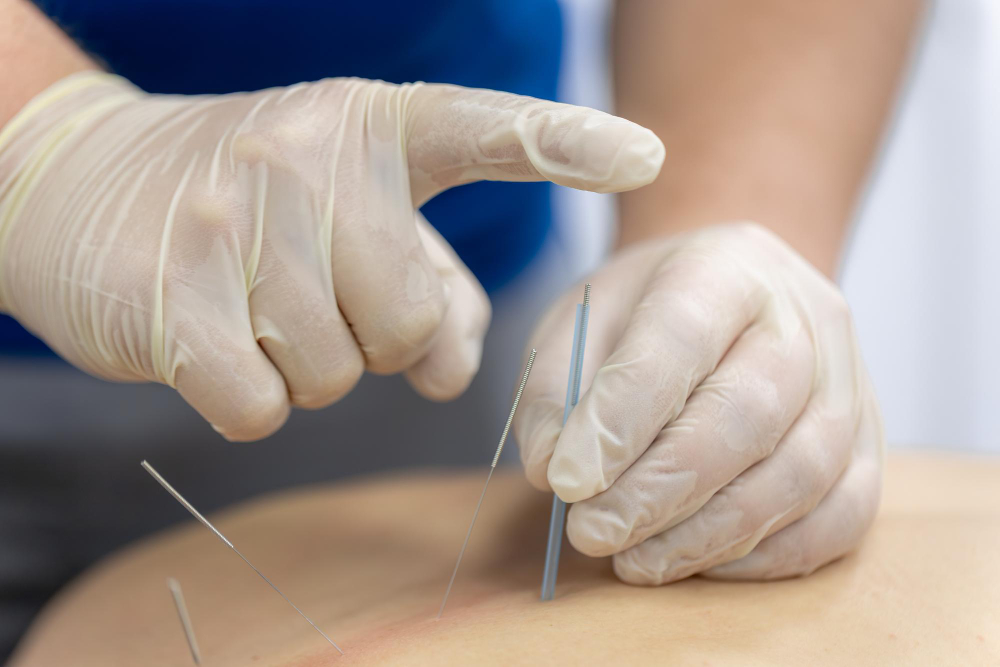
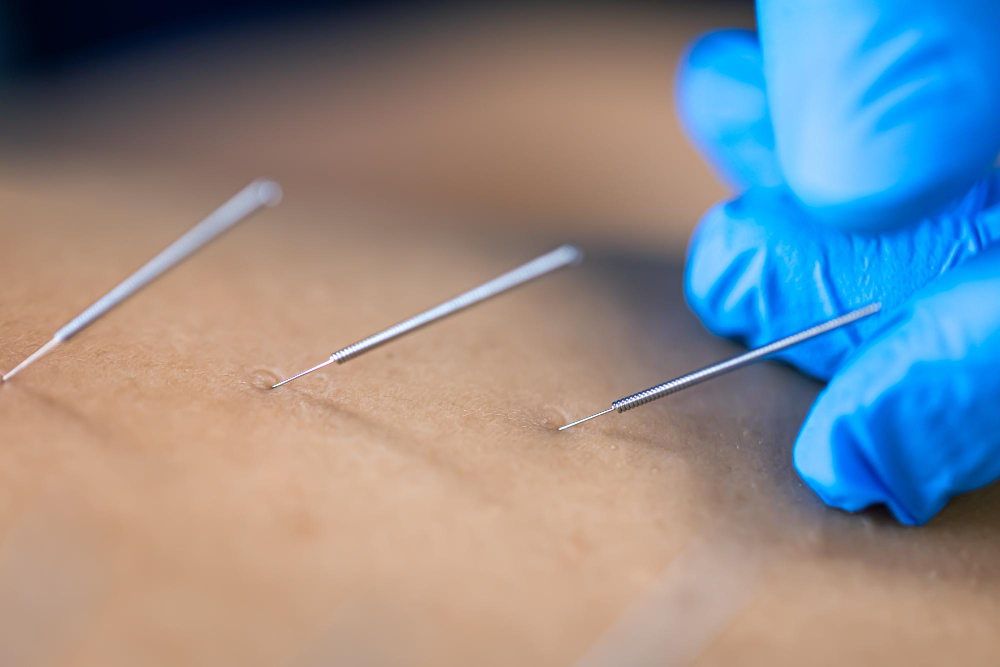
Acupuncture vs dry needling in Chicago is a common comparison among patients seeking help with muscle tension, back or neck discomfort, sports-related soreness, or limited movement. Although both approaches use thin needles, they differ in their treatment frameworks, point selection, and goals.
At Acupuncture Center Chicago, patients can receive traditional acupuncture and dry needling, which the clinic describes as myofascial trigger-point therapy. Understanding the differences can help you ask better questions and choose an approach that fits your symptoms, health history, and personal goals.
What Is the Main Difference Between Acupuncture and Dry Needling?
The simplest answer is that acupuncture may use local and distant points within a broader Traditional East Asian Medicine treatment plan, while dry needling usually targets specific muscles and trigger points.
Both treatments use fine, solid needles. However, their assessment methods, treatment principles, needle placement, and techniques may differ.
Illinois law describes dry needling in physical therapy practice as a technique for myofascial pain that uses a sterile filiform needle to stimulate trigger points. Illinois acupuncture law separately includes dry needling within the scope and practice of acupuncture.
What Is Acupuncture?
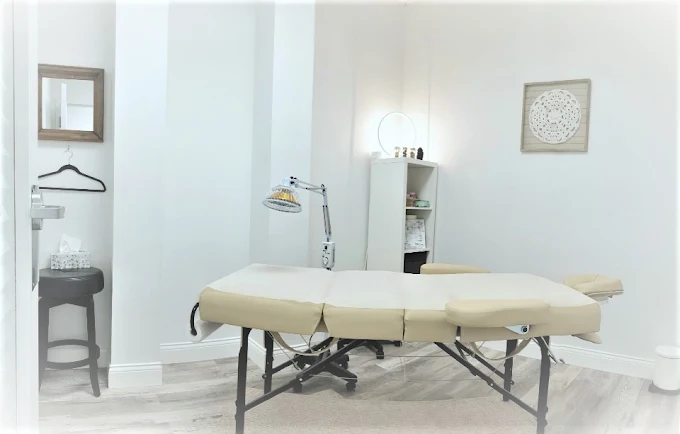
Acupuncture involves inserting fine needles at selected points on the body. It developed from Traditional Chinese Medicine and is now used in different clinical and wellness settings.
The needles may be gently manipulated by hand. During electro-acupuncture, they may also be stimulated with a small electrical current. According to the National Center for Complementary and Integrative Health, acupuncture is most commonly used in the United States for pain, including back, neck, and joint pain.
How Are Acupuncture Points Selected?
An acupuncture appointment may begin with questions about your:
- Current symptoms
- Medical history
- Previous injuries
- Lifestyle
- Sleep quality
- Stress levels
- Treatment goals
A practitioner may select points near the area of discomfort and distal points located elsewhere on the body. This broader approach may appeal to patients experiencing muscle pain alongside headaches, stress, poor sleep, or other concerns.
However, acupuncture treatment should be personalized rather than based on one symptom alone.
Why Do Chicago Patients Consider Acupuncture?
Many patients research acupuncture treatment in Chicago because they are looking for complementary ways to manage pain, muscle tension, limited mobility, or related wellness concerns.
Research suggests that acupuncture may help manage certain painful conditions, including some forms of back and neck pain. However, the quality and strength of evidence vary depending on the condition.
Acupuncture should be considered complementary care. It should not be used to delay medical evaluation for severe, unexplained, or worsening symptoms.
What Is Dry Needling?
Dry needling uses a thin needle without injecting medication or liquid. The word “dry” distinguishes it from injections that deliver medicine into the body.
During trigger point dry needling, the needle is directed toward a tight muscle, sensitive area, or myofascial trigger point associated with localized pain or restricted movement.
What Are Myofascial Trigger Points?
Myofascial trigger points are sensitive areas found within tight muscle tissue. Pressing or stimulating one may cause local tenderness or discomfort that feels as though it travels to another part of the body.
Some patients experience a brief muscle twitch, cramp-like sensation, or temporary soreness during or after dry needling. The experience can depend on the treatment area, technique, and individual sensitivity.
Acupuncture vs. Dry Needling: Key Differences
| Comparison | Acupuncture | Dry needling |
| Treatment framework | May use Traditional East Asian Medicine and modern acupuncture approaches | Generally focuses on anatomy, muscles, and trigger points |
| Needle placement | May use local and distal points | Usually targets the affected muscle or nearby tissue |
| Common goals | Pain management, relaxation, function, and broader wellness support | Localized myofascial pain, muscle tightness, and mobility |
| Possible sensations | Mild pressure, warmth, heaviness, or tingling | A brief twitch or stronger muscle sensation |
| Needle use | Needles may remain in place for part of the session | Often involves shorter, targeted stimulation |
Do Acupuncture and Dry Needling Use the Same Needles?
Both approaches commonly use thin, sterile filiform needles. However, similar equipment does not make the treatments identical.
The practitioner’s training, clinical reasoning, point selection, needle depth, manipulation technique, and treatment duration may differ.
Does Dry Needling Hurt More Than Acupuncture?
Not necessarily. Pain perception and needle sensitivity differ from one patient to another.
Some people find acupuncture relaxing and notice only mild tingling, pressure, warmth, or heaviness. Dry needling may feel more intense when a tight muscle or trigger point responds. Temporary tenderness or post-treatment soreness may also occur.
Tell your practitioner before treatment if you:
- Feel anxious about needles
- Take blood-thinning medication
- Are pregnant
- Have a bleeding disorder
- Have a significant medical condition
- Have previously reacted poorly to needling treatments
Which Is Better for Pain: Acupuncture or Dry Needling?
Neither treatment is automatically better for every patient. The appropriate choice depends on the location and likely source of the pain, whether movement is restricted, whether trigger points are present, and whether other concerns accompany the discomfort.
Dry needling may be considered when the primary concern is:
- A localized muscle knot
- Activity-related muscle tightness
- A sensitive trigger point
- Restricted movement
- Post-workout muscle soreness
Acupuncture may be considered when local discomfort occurs alongside broader concerns such as stress, headaches, poor sleep, or general tension.
Someone comparing acupuncture vs dry needling for neck pain, for example, may benefit from targeted muscular treatment, a broader acupuncture plan, or a personalized combination of techniques.
A qualified practitioner should evaluate the patient and explain why a particular approach is being recommended.
What Should Chicago Patients Expect During Treatment?
Before treatment, expect questions about the location and duration of your symptoms, previous injuries, current medications, earlier treatments, and health goals.
Acupuncture Center Chicago advises new patients to allow up to 90 minutes for their first appointment, provide a detailed health history, wear loose-fitting clothing, and stay hydrated afterward.
During either procedure, the practitioner should explain the recommended technique and use sterile, single-use needles.
After treatment, you may feel relaxed, mildly tender, or temporarily sore. Follow the aftercare instructions provided by your practitioner and report any unexpected or persistent symptoms.
Is Acupuncture or Dry Needling Safe?
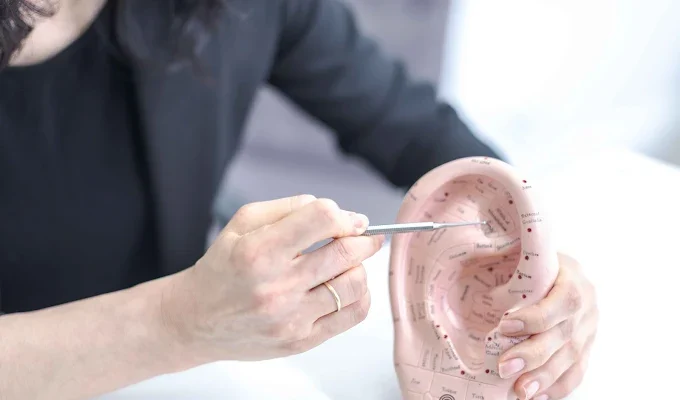
Acupuncture has a generally good safety record when it is performed appropriately by a qualified practitioner using sterile needles. However, it is not completely risk-free.
Improperly performed treatment can cause infections or injuries. Your health, medications, pregnancy status, and other circumstances may also affect whether a treatment is appropriate.
Before scheduling acupuncture or dry needling for pain, ask:
- What professional license does the practitioner hold?
- What training have they completed?
- Do they have experience treating your type of concern?
- Are sterile, single-use needles used?
- Is the treatment appropriate for your medical history?
- What sensations or side effects should you expect?
Frequently Asked Questions
Is dry needling the same as acupuncture?
No. Although both treatments may use similar needles, dry needling generally focuses on muscles and trigger points. Acupuncture may use local and distal points within a broader treatment framework.
How many sessions will I need?
There is no universal number of sessions. The recommended schedule depends on your symptoms, how long the problem has been present, your response to treatment, and your personalized care plan.
Can acupuncture and dry needling be used together?
They may be included in the same personalized care plan when a qualified practitioner determines that the combination is appropriate.
How do I choose between acupuncture and dry needling?
Schedule an evaluation and discuss your symptoms, activity limitations, medical history, and goals. The practitioner should explain the available options, expected sensations, possible risks, and recommended treatment plan.
Explore Personalized Acupuncture and Dry Needling in Chicago
Still comparing acupuncture vs dry needling in Chicago?
Contact Acupuncture Center Chicago to discuss your symptoms, health history, and treatment goals. The clinic offers personalized treatment at a convenient location in the Chicago Loop.
- Address: 17 N. Wabash Ave. Ste 678, Chicago, IL 60602
- Phone: (312) 863-0731
- Email: adcareone@gmail.com
- Hours: Mon, Wed, Fri: 7:30 AM – 6:00 PM
Tue, Thu, Sat: 7:30 AM – 2:00 PM
Sunday: Closed - Acupuncture Center Chicago on Google Maps