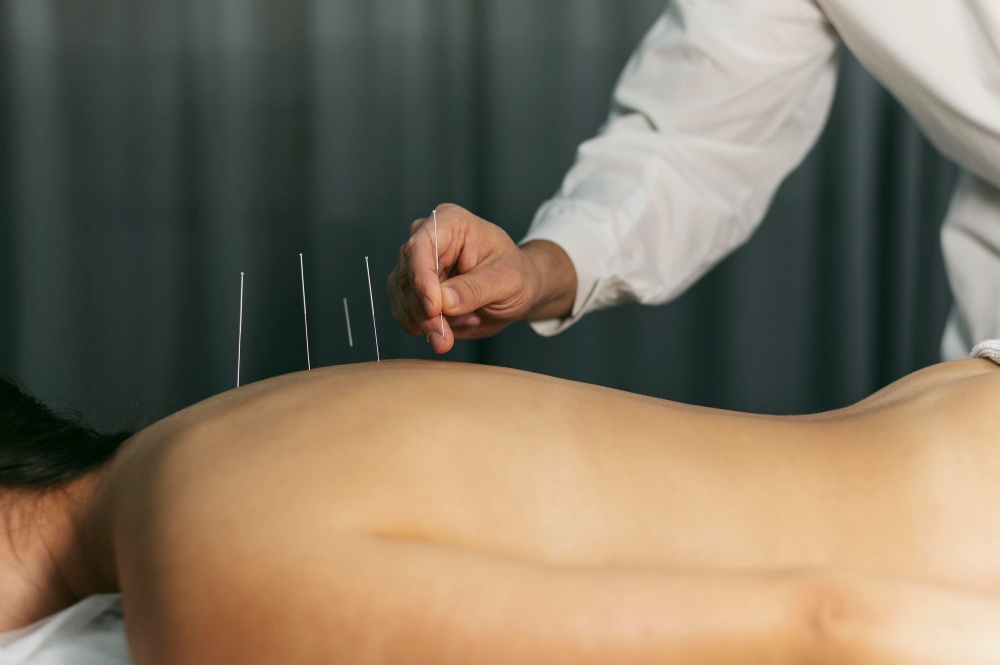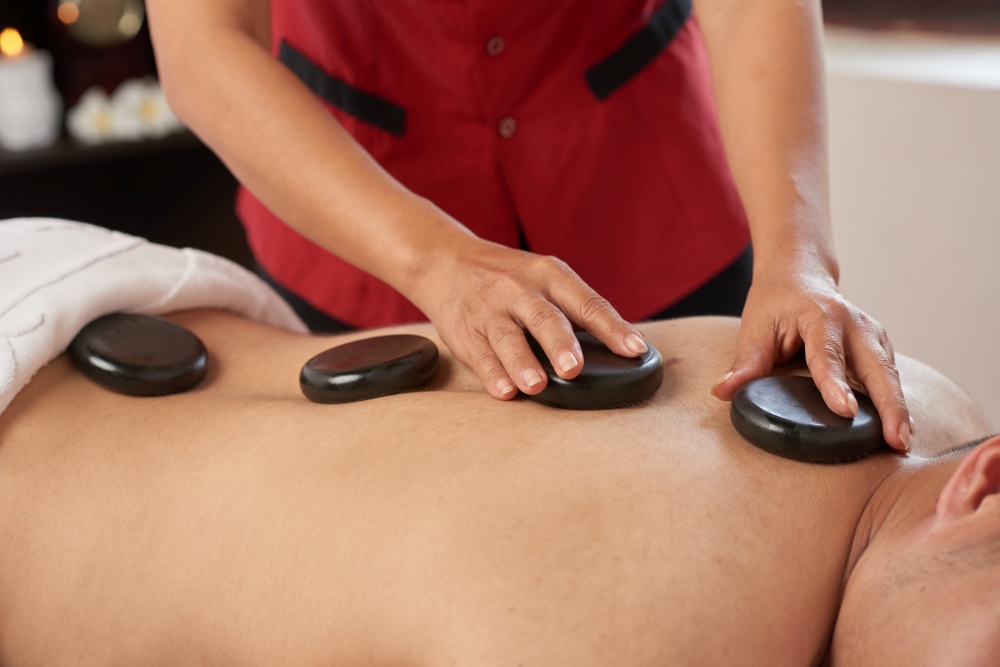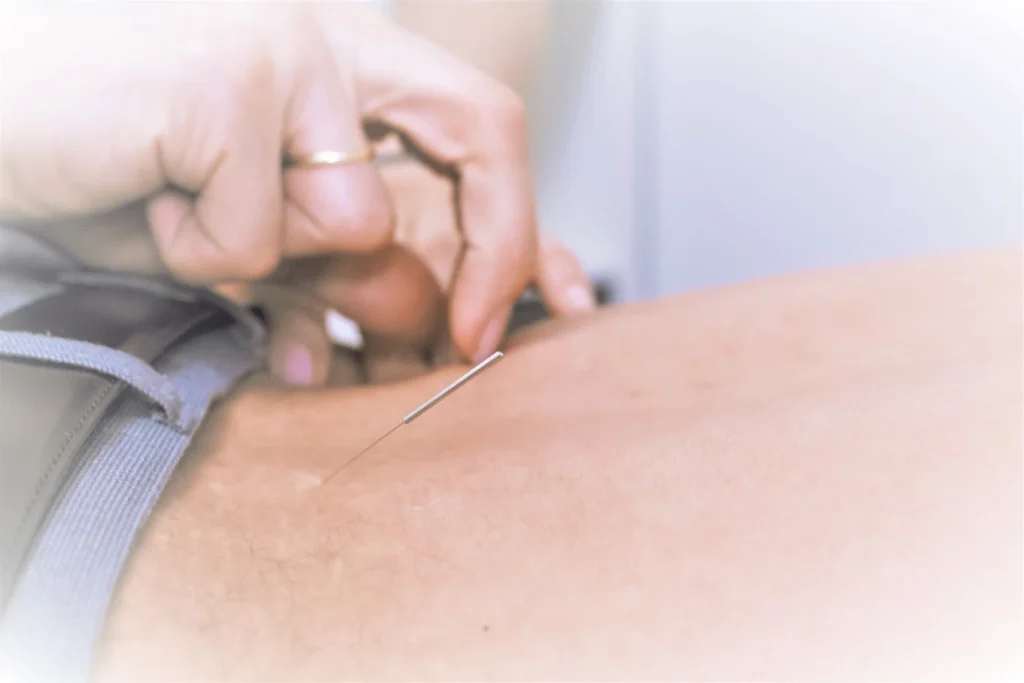
If you live in Chicago and are curious about natural, whole-person care, Holistic Acupuncture Services in Chicago offer a gentle, evidence-informed route to pain relief, stress reduction, and improved overall wellness. This article explains what holistic acupuncture looks like in the Chicago Loop, what conditions it commonly helps, what extra therapies are often paired with acupuncture, and how to decide whether it’s a good fit for your health goals.
What “holistic acupuncture” means — and why it’s different
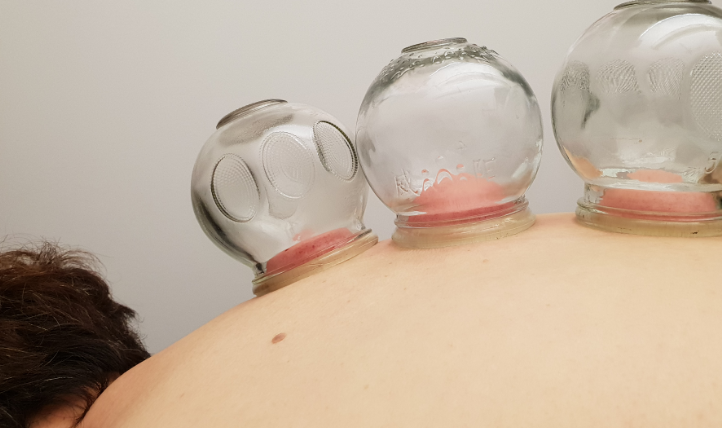
“Holistic” acupuncture doesn’t just target the one painful spot. Instead, it treats the whole person — body, mind, and lifestyle — to restore balance. A holistic practitioner evaluates your medical history, sleep, digestion, emotional health, and even pulse and tongue (a Traditional Chinese Medicine method) to design a personalized plan. In practice this means combining fine acupuncture needling with adjunctive therapies like cupping, Tui Na (Chinese medical bodywork), moxibustion, infrared therapy, and tailored herbal or dietary guidance. Many Chicago clinics integrate western musculoskeletal assessment with classical TCM approaches to create a blended, patient-centered treatment.
What to expect at your first visit
A good holistic acupuncture visit begins with a careful intake: your practitioner asks about the reason you’re coming, your general health, menstrual or fertility history (if relevant), stress and sleep patterns, and lifestyle. They may perform physical or orthopedic checks and TCM assessments like pulse and tongue. From there you’ll receive an individualized treatment plan: acupuncture needle placement, recommended adjunct therapies (e.g., cupping or moxibustion), and any herbal or dietary suggestions. Follow-up visits usually focus on progress and adjusting the plan. Clinics in Chicago’s Loop tend to emphasize time-tested techniques delivered in a clean, professional setting.
Common conditions holistic acupuncture helps
Holistic acupuncture is often used to support a wide range of conditions. While outcomes vary, many patients report meaningful improvements in:
- Musculoskeletal pain: back pain, neck pain, shoulder problems, and joint pain.
- Stress, anxiety, and sleep issues: acupuncture can help calm the nervous system and improve sleep quality.
- Female health and fertility: menstrual irregularities, PMS, and fertility support are common reasons people seek care.
- Headaches and migraines: regular treatments can reduce frequency and intensity for many people.
- Digestive problems and general wellness: some patients see benefits for IBS, bloating, and appetite regulation.
Chicago practitioners advertise these types of outcomes and often tailor care specifically for musculoskeletal pain, female health, and stress-related concerns.
Adjunct therapies you’ll likely see in a holistic clinic
Holistic acupuncture clinics often combine needling with other TCM therapies to amplify results:
- Cupping: suction cups are applied to promote circulation and reduce tightness.
- Tui Na: Chinese medical massage that complements needling for muscle and joint issues.
- Gua Sha: a scraping technique used for soft-tissue release and improved circulation.
- Moxibustion: gentle heat therapy using mugwort to warm acupuncture points; useful for certain gynecological or cold-sensitivity conditions.
- Infrared / red-light therapy: used alongside TCM techniques for tissue healing and comfort.
- Herbal medicine & dietary counseling: individualized herbal formulas and nutrition advice can support longer-term balance.
These techniques are commonly offered together in Chicago clinics to provide a fuller, more flexible approach to healing.
Realistic expectations and safety
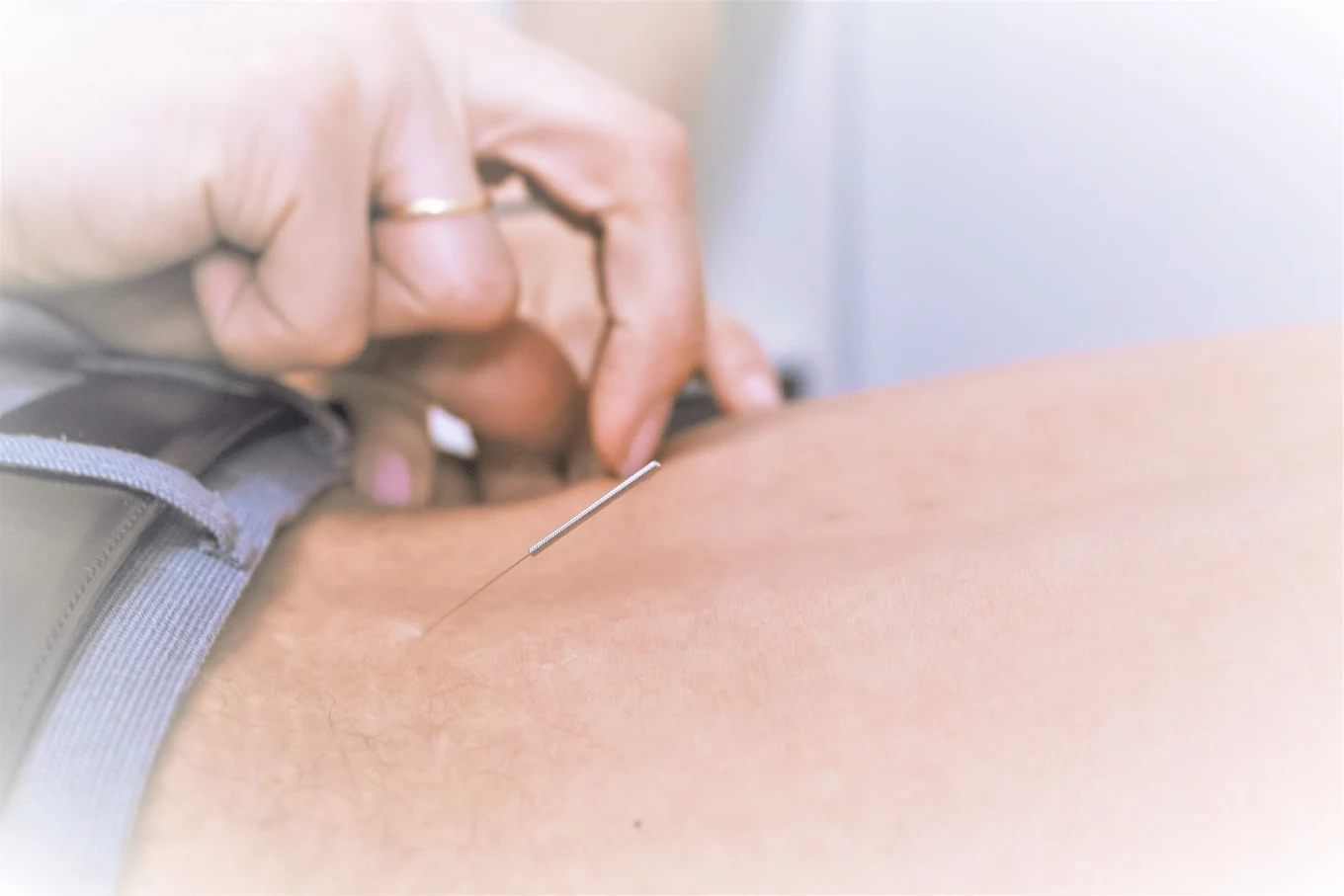
Acupuncture needles are extremely thin and typically cause only minimal discomfort. Most patients feel relaxed or even sleepy during treatments. Safety is high when you see a licensed practitioner who uses single-use, sterile needles and follows local infection-control protocols. If you’re on blood thinners, pregnant, have a bleeding disorder, or have implanted devices, make sure to disclose this in your intake so the practitioner can tailor or modify care. Chicago clinics commonly list licensed acupuncturists on staff and emphasize professional standards.
How many sessions will I need?
Treatment length depends on your condition and goals. Acute issues like a recent strain can respond in a handful of sessions; chronic conditions typically benefit from a series of weekly or biweekly visits followed by maintenance care. Holistic practitioners focus on building a plan that balances immediate symptom relief with long-term wellness strategies (diet, sleep, stress management, and herbal support when appropriate). Discuss frequency and milestones with your practitioner during the first visit.
Why choose Holistic Acupuncture Services in Chicago?
There are three practical reasons people in Chicago choose holistic acupuncture:
- Personalized, integrated care: Chicago clinics often blend TCM diagnostic tools with western musculoskeletal assessment, which is ideal for people who want both immediate symptom help and root-cause work.
- Multiple modalities under one roof: Having acupuncture plus cupping, Tui Na, moxibustion and herbal consultations available allows a practitioner to craft multi-layered strategies.
- Accessibility and experience: Many clinics in the Loop are staffed by licensed, experienced acupuncturists who specialize in stress relief, female health, and pain management — common reasons people seek care in the city.
Choosing the right clinic and practitioner
When searching for Holistic Acupuncture Services in Chicago, consider:
- Credentials: licensed acupuncturists (L.Ac.) with formal training.
- Specialization: does the practitioner have experience with your primary concern (e.g., fertility, chronic pain, migraine)?
- Treatment style: some practitioners focus strictly on acupuncture, others integrate herbs, bodywork, and nutrition. Choose a clinic whose approach matches your preference.
- Logistics: location, hours, and appointment availability. For example, one Loop clinic lists its address as 17 N. Wabash Ave., Ste 678, Chicago, IL 60602 and posts weekday and Saturday hours on its contact page. Calling ahead or checking a clinic website helps with scheduling.
Practical tips to maximize benefits
- Be consistent for the recommended course: the full benefit is often cumulative.
- Keep a simple symptom log: note sleep, pain levels, stress, and any changes between sessions so you and your practitioner can track progress.
- Follow lifestyle and dietary guidance: small changes in sleep, hydration, and diet can speed recovery.
- Ask about self-care: many acupuncturists teach simple acupressure points or breathing exercises you can use at home.
- Communicate openly: if a treatment feels uncomfortable or if you have new symptoms, tell your practitioner right away.
What the science says (briefly)
Research into acupuncture shows promising benefits for several issues—particularly musculoskeletal pain, tension headaches, and some forms of chronic pain—though effects can vary between individuals. Holistic approaches that combine acupuncture with lifestyle advice, bodywork, or herbs aim to reinforce and prolong benefits by addressing underlying contributors to imbalance rather than only masking symptoms. When seeking care, look for clinics that balance traditional methods with clear communication about outcomes and evidence.
A sample roadmap: first 60 days
- Week 1–2 (intake + stabilization): full intake, initial acupuncture session, maybe cupping or Tui Na. Expect gentle improvements in sleep and pain.
- Week 3–6 (building effect): regular treatments (often weekly) focusing on restoration of circulation, nervous system balance, and symptom reduction. Herbal or dietary adjustments may be introduced.
- Week 7–8 (reassessment): practitioner evaluates progress and adjusts frequency—some patients move to biweekly or monthly maintenance, others continue intensive therapy if needed.
This is a flexible outline; your practitioner will personalize it.
Final thoughts
If you’re searching for Holistic Acupuncture Services in Chicago, you’ll find options that combine classical Chinese medicine with modern, results-oriented care. Whether you’re dealing with persistent pain, sleep disruption, fertility concerns, or stress, a licensed acupuncturist can design a treatment path tailored to your life and health goals. The best outcomes come from open communication, consistent care, and an integrative mindset that pairs treatment room therapy with everyday self-care.
Ready to experience natural healing and renewed wellness? Contact us today to schedule your first holistic acupuncture session — call (312) 863-0731 or visit www.acupuncturecenterchicago.com. Your path to better health starts here — we look forward to helping you feel your best.
FAQs
What issues can holistic acupuncture help with?
Holistic acupuncture can support relief from musculoskeletal pain (back, neck, joints), stress, anxiety, sleep problems, headaches, migraines, digestive issues, and certain female-health or fertility concerns.
Is acupuncture painful or safe?
No — acupuncture needles are very thin, and most clients feel only mild sensation. When performed by a licensed practitioner using sterile, single-use needles, holistic acupuncture in Chicago is generally safe and well tolerated.
How many sessions will I need before seeing improvement?
It depends on your condition. Acute issues often respond within a few sessions, while chronic conditions may require a weekly or biweekly plan over 4–8 weeks, followed by ongoing maintenance.
What additional therapies are included in holistic acupuncture services?
Many clinics pair acupuncture with complementary treatments such as cupping, Tui Na (Chinese medical massage), moxibustion (gentle heat therapy), herbal or nutritional guidance, and sometimes infrared or red-light therapy.
Can acupuncture help with stress, sleep, or anxiety?
Yes — holistic acupuncture aims to balance the nervous system, reduce tension, and promote relaxation, which may lead to better sleep, reduced stress, and improved emotional wellness.
Who is a good candidate for holistic acupuncture in Chicago?
Adults seeking non-pharmaceutical relief from pain, stress, or hormonal issues; those interested in fertility, women’s health, or general wellness; and anyone looking for a natural, integrative approach to health.